
O, San Francisco!


I recently took a short trip with my daughter to San Francisco. It was a special trip because it was our first mom-and-daughter trip but also my first meeting with a friend with whom I have been in contact for a long time but have not met in person! We really appreciate each other and our friendship. I was also there to attend a student's recital. This is a special student whom I have had the pleasure of teaching for years but had not yet had the chance to meet (as well!). We have been spending time twice a week, consistently, on Zoom, and he has grown so much since our first lesson. I also got to meet his family and his two very cute dogs. It was a very special trip.
I wanted to share a few snapshots from our trip, and as I do that, I would like to also share my personal reflections on why music could be part of our lives, how it could be our best gift to our children, and why we need to experience life to play good music.
On the first day when we arrived in San Francisco, my friend picked me up from the airport. After passing out in the hotel for two hours, we took an Uber, and drove straight to my student's home for a lesson with him. His Steinway sounded amazingly beautiful in their beautiful home. As I was teaching, my daughter sat there quietly, enjoying the moments of music and made a beautiful doodle.

Growing up in a musical family, I remember how memorable my childhood was, waking up to music, falling asleep to music (my mother would always play some Mozart music before bedtime. Back then, we used cassettes, and the cassette player was just right next to my bed). I think that was the greatest pleasure and memory of my childhood. I believe music has that calming effect to soothe our nerves, our brain activity, and in this calmness, our creativity can align with our mind. Children have spiking energy throughout the day, and for most children at young ages, they need support in regulating their own emotions, mood, and energy, and music is an effective medium for that.
There sat Athina, quietly experimenting with lines and colors, as she listened to my students playing and enjoying their beautiful garden scenes. It was quite soothing; her doodle reflected a sense of calmness but also excitement, with a vibrant rhythm, inspired by the music that she was listening. It is one of my favorite doodles of hers.
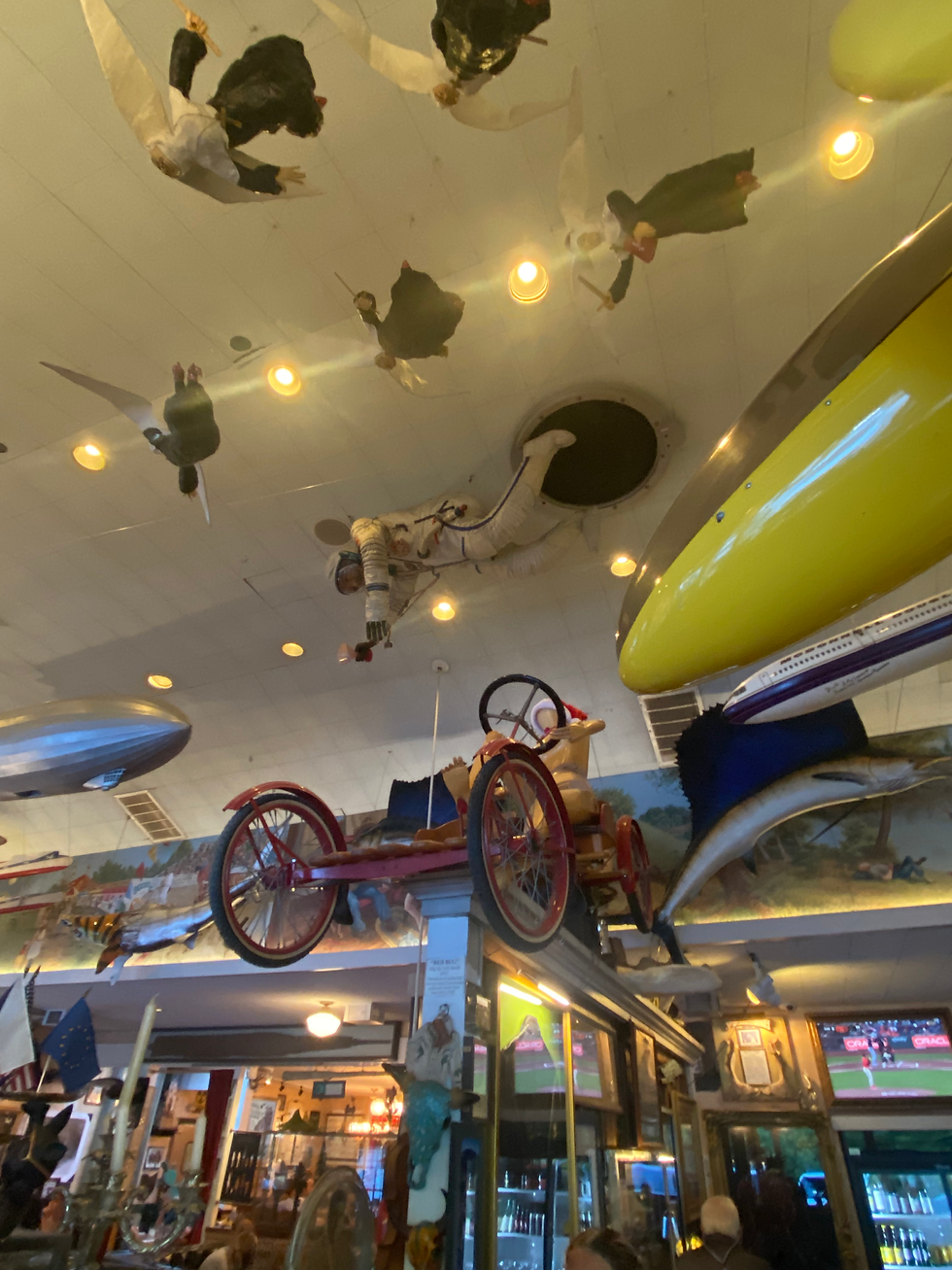
Recently, I started making checklists for Athina as we are now working on the topic of time management and how to stay productive and make use of time. I have also started making similar checklists for some students who need structure and guidance in establishing healthy practice routines. I won't have time to do this for every student, and I don't intend to be a micromanaging teacher, but some students enjoy such structure and enjoy checking off checklists. So this is something for parents to consider. I know that it works well for my child, and it works so far. In her checklist, I now include an "I spy" game, and she needs to find some hidden items in a photo on her checklist, for example, something to motivate her to receive her daily checklist that has some elements of surprise. Yes, as a teacher and as a parent, I get very creative in creating motivations that sometimes even seem desperate! I try.
In the photo above, it shows this interesting restaurant recommended by my student's mother. On the menu, there was a treasure hunt game, and we walked around checking off the things we saw. Oh boy, there were a lot of big, small, and tiny trinkets around the restaurant! It was a very fun dinner. I also learned a lot of fun facts I did not know about the little town we were visiting. My student's mother told me that this is a famous restaurant that a lot of important businessmen visit and talk big business. Our big business was getting that drooling ice cream at the end; it was just a simple ice cream, but it was probably the best sundae we ever tried! I also learned what Alto Palo was... Do you know what it is?

The following day, we attended the piano recital where my student performed. He played "Il Porco Rosso" by Joe Hisaishi and delivered a fantastic performance. I felt like the proudest teacher. We had worked on this piece for the entire year, and this deep exploration of the music helped my student grow. We continually discovered new aspects of the music and innovative ways to learn it. My student also wore the coolest performance outfit, his traditional hoodie, which I loved. I believe performances should prioritize the comfort of the performer over the audience. Performance anxiety is a genuine issue, and I never underestimate the courage it takes for someone to prepare with all their heart, step onto the stage, and own those brief or extended moments.
Music teaches us to be resilient, to not run away from stress but to make the adrenaline work in our favor. That is my experience as a performer. I always thank adrenaline because it makes me laser-focused; it makes my students outperform their usual level.


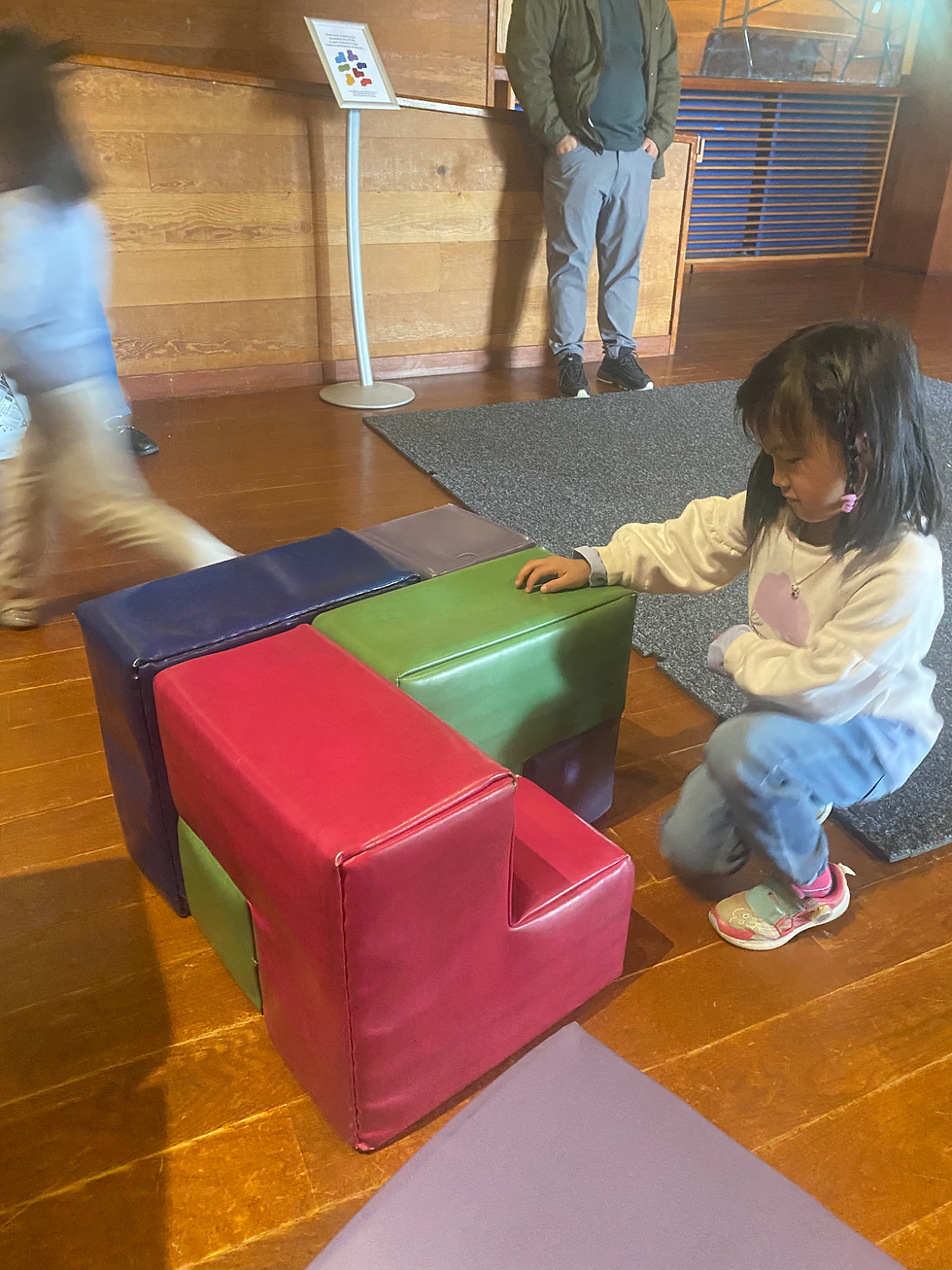
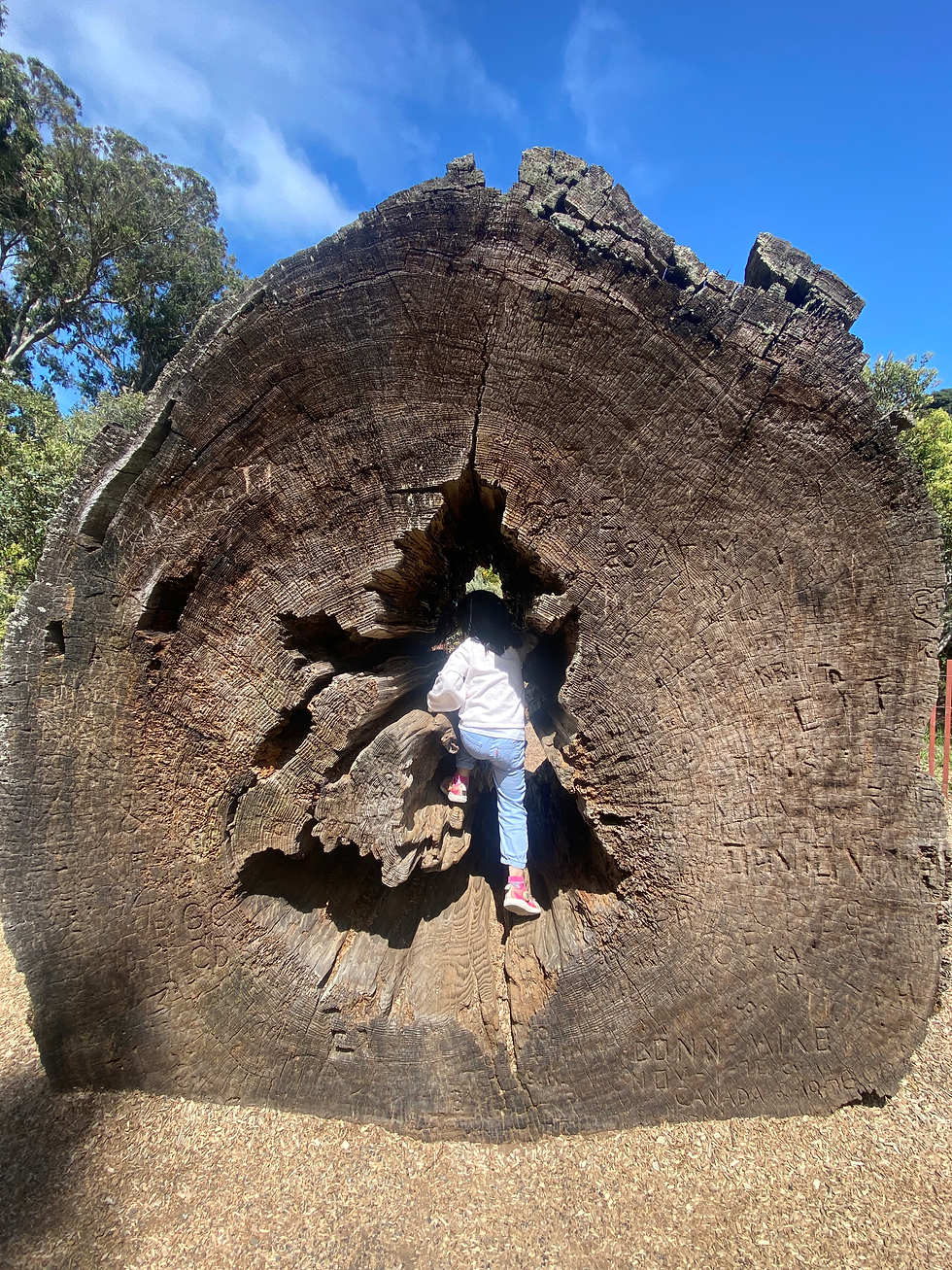
We took a wild adventure to a children's zoo and museum in Alto Palo, a paradise for families where Athina turned into a mini explorer, making discoveries that kept boredom miles away. These little "Eureka!" moments are life's secret sauce. They're like the mental snacks we munch on when creating music or needing a splash of inspiration. In Dalcroze learning, we teach students the art of movement vocabulary—how to walk like a turtle on vacation, a speed-walking raccoon, or a philosopher moose deep in thought. Imagery is our jam! "Strut like a fabulous flamingo!" And if kids really watch those flamingos in the zoo strut their stuff, their own moves will be as graceful as a ballet-dancing bird. This character can then waltz its way into their music, bringing it to life. In my humble (and slightly biased) opinion, this way of learning is way more fun. My teaching philosophy is all about grabbing inspiration from daily life because when it's something we know or care about, we're more likely to jump in with both feet. Learning isn't about cramming new stuff all the time; it's about seeing the same old stuff through a kaleidoscope of different ways.
My teacher used to tell us to stop sitting in practice rooms all day, go out, have a life. I believe the famous - actually, legendary- pianist, Rubinstein shares the same philosophy in life.One remark often attributed to Rubinstein, reflecting his attitude toward over-practicing, is that he believed a musician should be curious about life itself—people, art, travel, literature—not spend every waking hour at the piano. A recent discussion of a 1968 interview highlighted Rubinstein speaking about the value of time spent not practicing, in favor of living and cultivating curiosity. "I accept life unconditionally." For Rubinstein, music was part of life, not a replacement for life. He was known for saying that the richness of his playing came from living broadly—traveling, loving, eating well, reading, meeting people, and embracing experience—not from endless hours of work alone.

This was a little miniature wooden structure at the Discovery Museum. I loved peeking into it. I learned from a student lately; Abby shared with me her favorite word: Sonder. What does Sonder mean? It means the realization that every person you pass by is living a life as vivid, complex, and emotionally rich as your own. This experience of mine reminds me of this word. In music, it can be translated in the form of a fugue. A fugue is a musical form and compositional technique based on imitation and counterpoint, where a main theme (called the subject) is introduced by one voice and then successively taken up by other voices. It is as if all ideas or individual lives can coexist at the same time.

A child, full of curiosity, embraces life with a natural inclination to explore, inquire, and seek answers. When they feel secure, they naturally excel in their pursuits. Most solutions are not direct answers; rather, we should concentrate on discovering an approach. Music serves as an approach to life, not a solution. It influences how we address problems and perceive the world. Music is both logical and structured, requiring discipline, while also fostering creativity and innovative thinking. Therefore, I believe music is vital for nurturing a balanced, inquisitive, and forward-thinking child. Music assists in regulating, reshaping, and molding an individual's temperament. Though invisible, it is a remarkably powerful force.
As summer approaches, it's a wonderful time to celebrate the vibrancy this season brings. The warmth of the sun, blooming flowers, and longer days create an atmosphere filled with energy and excitement, encouraging exploration and connection.
Connecting Experiences to Music
Music captures the essence of human experiences. As students share their summer stories, we can discuss how these moments resonate with various musical genres and rhythms.
Nature and Music: Hiking can inspire discussions about folk music celebrating nature.
Friendship and Collaboration: Experiences with friends can lead us to explore songs highlighting camaraderie.
Cultural Discoveries: Traveling introduces students to diverse musical traditions.
I look forward to engaging with my students on these topics, seeing how their summer adventures enrich our understanding of music, and creating a vibrant tapestry of experiences that deepens our appreciation for the art. Maybe in the next post, I could share some cool stories my students told me about their summer adventures and how we translate that to music learning. What do you think?

As we gather and cherish these beautiful life memories, music serves as a powerful medium to convey, express, and articulate our emotions. I took a photo of a handmade candle I discovered in San Francisco because I appreciated its text. To me, love is both a noun and a verb. Music teaches us how to feel, how to express, and how to love.
I wish everyone a wonderful summer! If you do happen to visit San Francisco too, say hello to San Francisco for us. WE LOVE SAN FRANCISCO!
Comments